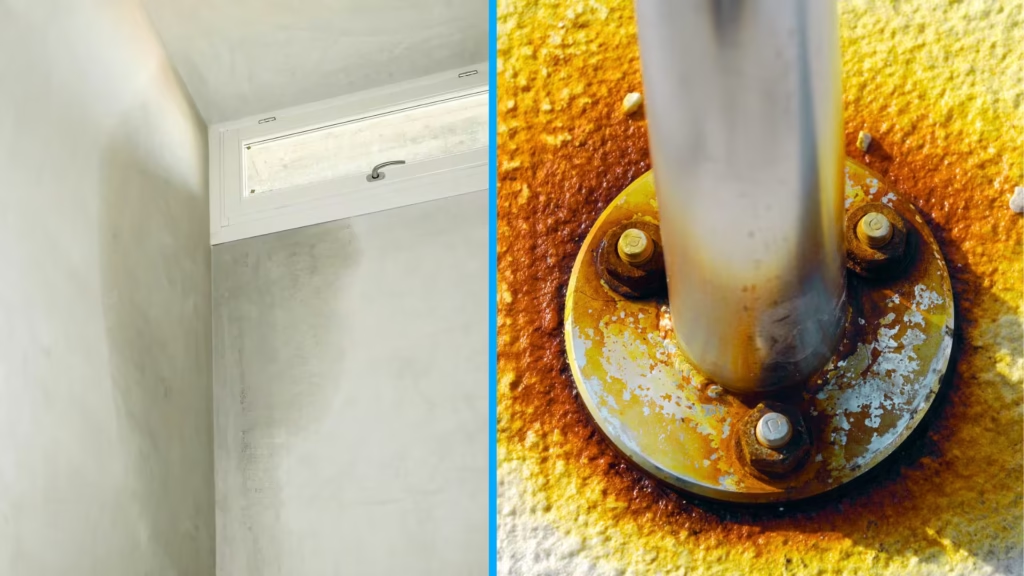
South Florida air is wet. Indoors, that shows up as sticky rooms, mildew on grout, swollen doors, and musty closets. Before you buy gadgets or panic about mold, start with a few habits that actually move the needle.

1. Put a hygrometer where you sleep
You cannot manage what you do not measure. A cheap digital hygrometer in the bedroom (and one in a big closet) tells you if you are living above 60% relative humidity for days — the range where mildew likes to start.EPA guidance aims for roughly 30–50% indoors; in a Miami summer, 45–55% is a realistic target for many homes. Check morning and evening for a week. Note rainy days and long showers.
2. Exhaust the moisture you make
Showers, cooking, and indoor drying dump water into the air. Run the bath fan during the shower and for **20–30 minutes after**. Squeegee glass if you can. Use the kitchen hood when you boil or fry. Confirm the dryer vent goes outside and is not crushed.If the fan is weak or missing, that is a common handyman upgrade (timer switch or better fan) — as long as your condo rules allow it.
3. Let the AC do dehumidifying work
Air conditioning removes moisture while it cools. Keep the fan on **Auto**, not continuous On, so wet coil water does not evaporate back into the room between cycles. Change filters on schedule. Watch the air-handler closet for standing water or rust — report condensate issues to building maintenance in stacked condos.Coil and refrigerant work belong to licensed HVAC techs. Wipe grilles yourself; leave the insides of the system to the right trade.
4. Closets, sliders, and salt air
Leave a little space between clothes and closet walls. Vacuum slider tracks and keep weep holes clear so rain drains instead of pooling. Wipe salt film on balcony metal when you can — coastal air eats finishes faster than inland homes.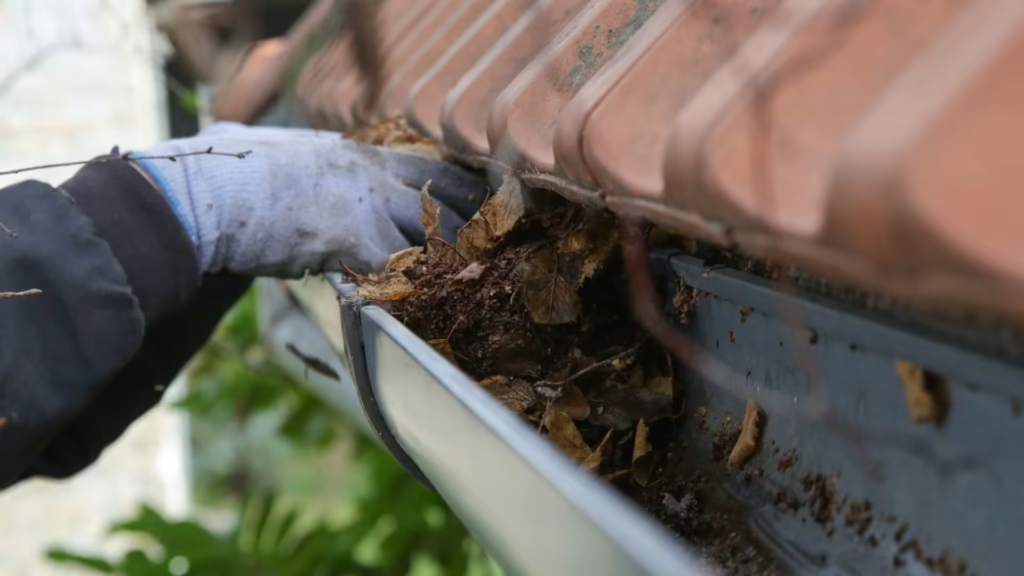
5. Leaving town? Do not switch the AC off
Seasonal owners who shut the system down often come back to a musty unit. Keep AC running in a reasonable range (many aim around the high 70s °F) so it still cycles. Ask the building what they require. After storm outages, plan a walkthrough.When to call Hand It To Us
Call a local handyman when you need fan installs, door adjustments from swelling, caulk replacement, punch lists before guests, or condo / HOA maintenance coordinated with the building. Soft drywall, sewage, or large mold patches need qualified remediation — not a casual DIY weekend.
For the bigger climate picture, see 5 Miami condo problems and our South Florida seasonal checklist. Not sure if a fix is DIY? Read DIY vs handyman in Miami.
Get a free estimate if humidity damage is already showing up as sticking doors, failed caulk, or recurring bathroom mildew.