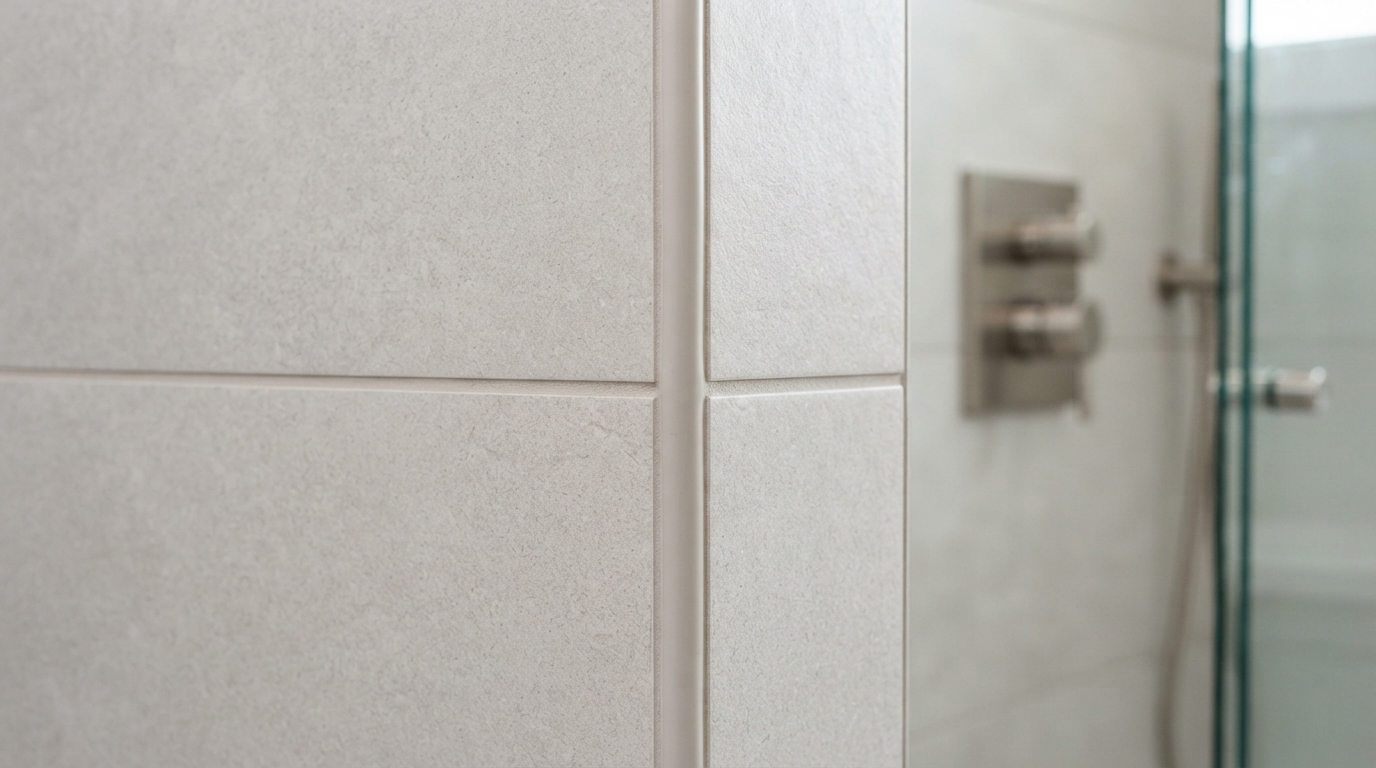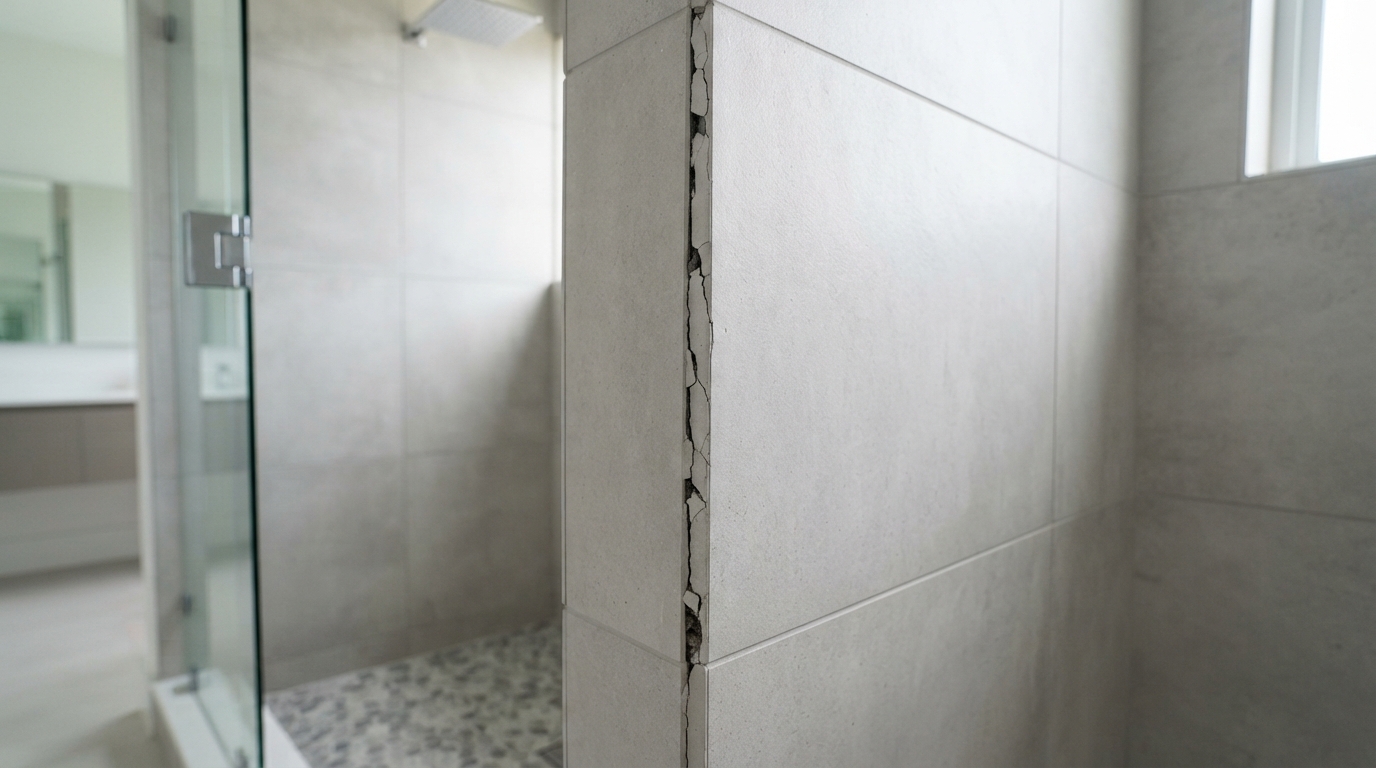
A thin crack has appeared along the corner of your shower. You buy a little tub of grout, press it into the gap, and feel as though the repair is finished. A few weeks later, the crack returns in exactly the same place. That usually means it’s time to ask a more important question: Was this joint supposed to be rigid in the first place?
Grout and caulk are both used around tile, but they do different jobs. Knowing which material belongs where can prevent a small maintenance task from turning into a recurring leak or a messy repair.
Grout fills tile joints; sealant handles movement
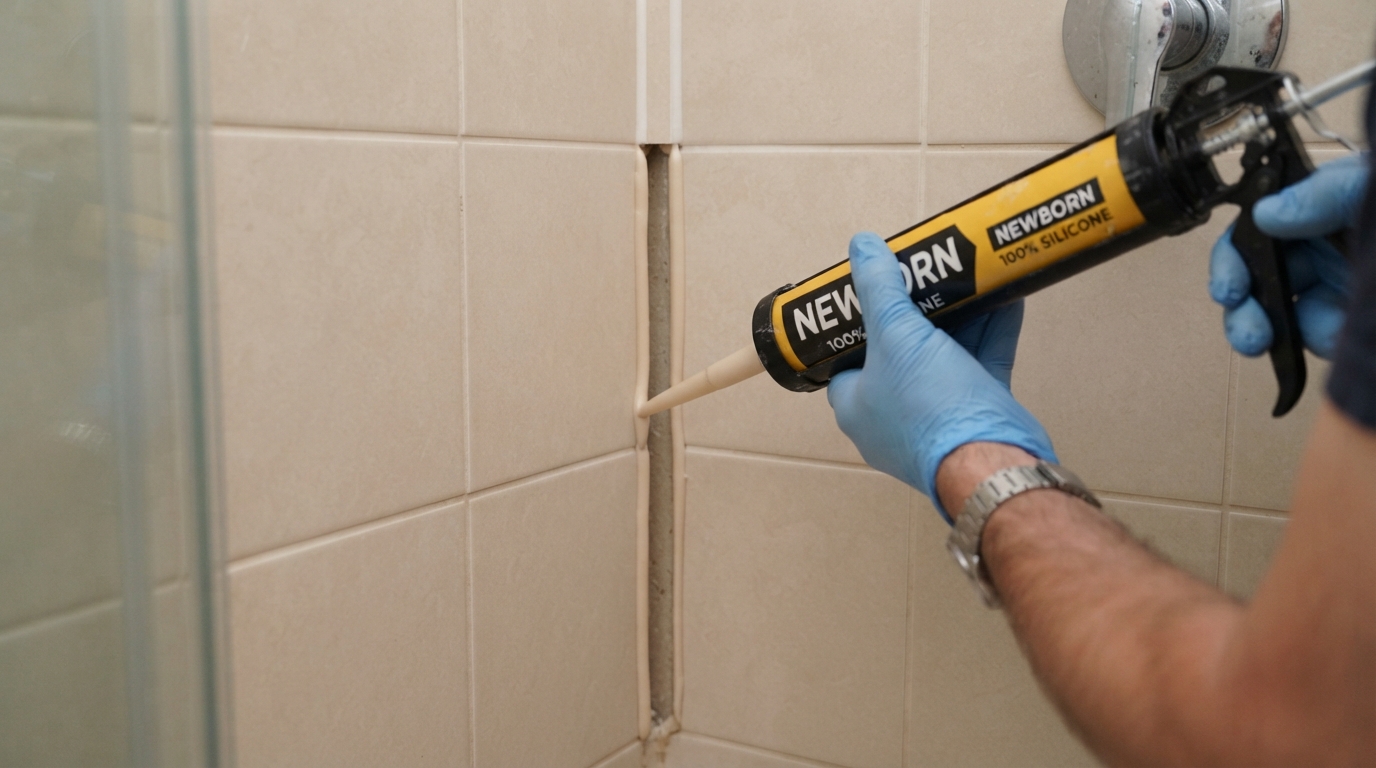
Grout is a rigid or relatively rigid material used between tiles on a surface. It is designed to fill joints and create a finished tiled field. A suitable flexible sealant is used in movement joints, including many places where the plane changes, such as wall-to-wall corners and the transition from a tiled wall to a tub.
The Tile Council of North America explains that changes in substrate or backing surface often require caulk rather than grout because adjoining surfaces can move independently. That is why repeatedly grouting a moving corner may not solve the crack.
Important: A decorative bead of caulk is not the shower’s underlying waterproofing system. A tile assembly needs appropriate waterproofing behind or beneath the tile, regardless of how tidy the visible joints look.
Not sure if the corner needs resealing or deeper repair? Share a clear photo with HITU. If the problem involves hidden waterproofing or significant water damage, it needs the appropriate specialist.
Where to look and what the crack may mean
Between tiles on a flat wall
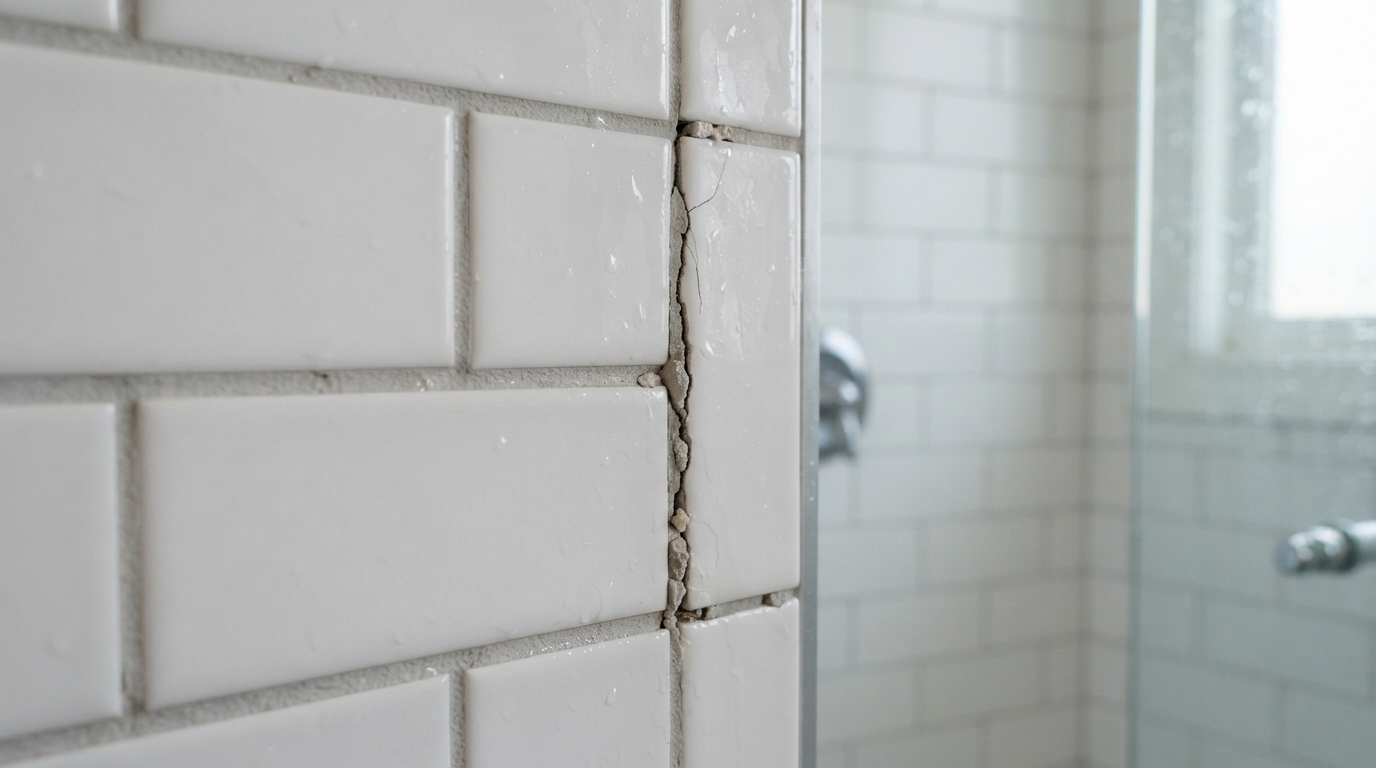
Small grout cracks or missing grout between tiles on the same flat plane may reflect deteriorated grout, movement, impact, or substrate trouble. If surrounding tiles are solid and the area is dry, a suitable grout repair may be possible. If several tiles are loose or a crack runs through tile bodies, investigate before patching.
At an inside corner
A crack where two tiled walls meet is a classic place to inspect for a suitable flexible joint. Filling that corner with more rigid grout may simply create another crack when the walls move.
Along the tub or shower tray
The joint between a tub and tiled wall experiences different materials and movement. Correct sealant choice, surface preparation, and full cure matter. See our companion article, Shower Caulk Cracking or Peeling?.
A homeowner-friendly inspection checklist
- Dry the area and use good light. You can see gaps and loose edges more clearly on a clean, dry surface.
- Find the pattern. Is it one short line, a full corner, or widespread cracking across the wall?
- Check the tiles gently. Look for visibly loose, hollow-sounding, or shifting pieces without prying them loose.
- Look outside the shower. Swollen baseboards, peeling paint, and recurring damp flooring suggest water is traveling somewhere it should not.
- Consider when the issue returns. A joint that repeatedly cracks after every repair may indicate movement or a method that does not match the joint.
- Document before repair. Keep a photo of the original condition and any sign of moisture.
If the bathroom also has high humidity or lingering dampness, review Miami Indoor Humidity: What to Do First. It helps with the room environment, but it is not a fix for a leak.
Should you regrout, recaulk, or replace damaged material?
Localized flat-joint problem, stable tiles: A compatible grout repair may make sense if no underlying issue is present.
Failed flexible seam at an appropriate movement joint: Removing deteriorated material and installing a compatible sealant is often the relevant maintenance task.
Loose tile, soft wall, recurring leak, or extensive cracking: Do not rely on cosmetic grout or sealant. Have the wall assembly and water source assessed by the correct specialist.
For project planning, our Tile Calculator is useful when estimating material for a tile replacement area. It is not a diagnostic tool and will not determine whether waterproofing must be rebuilt.
Why a neat cosmetic repair is not enough on its own
A shower can look clean while water has already damaged backing materials. If you notice persistent musty odor, soft wall sections, water stains outside the enclosure, or widespread loose tile, the visible joint is only one part of the problem. Focus on stopping water intrusion and understanding the assembly before replacing finishes.
Have several cracked joints or damaged tiles? Request an estimate for appropriate bathroom maintenance. We’ll clarify the visible scope and whether licensed or specialized trades are required.